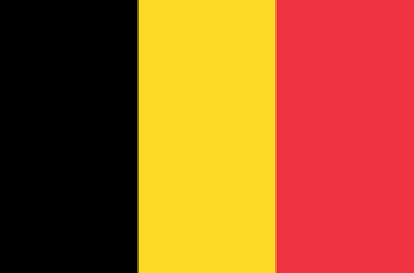
Belgium
FREE TO SEE, no account needed. Careernomics.com holds 3,000+ employer profiles, 2,000+ development programs and 185+ guides.
Why Belgium?
Belgium sits at the administrative & logistical heart of Europe. Compact but highly international, it combines EU institutional power, multinational corporate presence and advanced industrial clusters within a dense, well-connected market. Its economy is export-driven, multilingual and deeply integrated into European supply chains. For professionals, Belgium offers access to policy influence, cross-border business exposure and stable career progression inside one of Europe’s most strategic locations.

Country Value Proposition
- Economic positioning: Highly developed, trade-intensive EU core economy
- Key industries: Chemicals, pharmaceuticals, logistics, financial services, food & beverage, advanced manufacturing
- Institutional role: Host to major EU institutions & international organizations
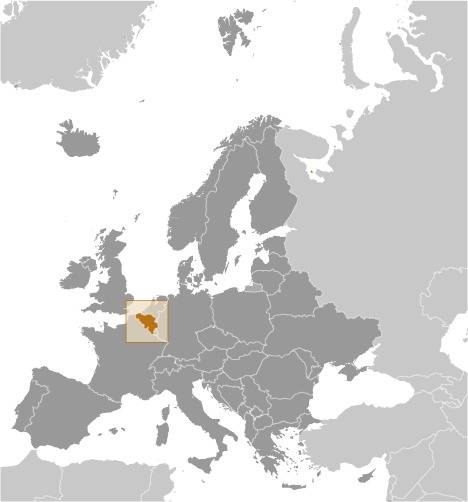
- Geographic advantage: Central access to France, Germany, Netherlands & UK
- Talent environment: Multilingual, internationally oriented workforce

Opportunity Snapshot
- Brussels: EU policy, public affairs, consulting, multinational HQs
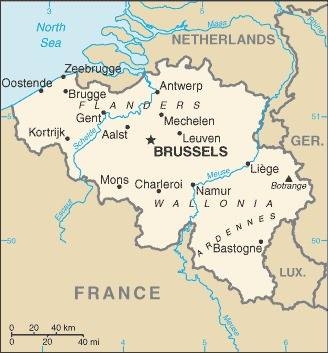
- Antwerp: Chemicals cluster & one of Europe’s largest ports
- Ghent & Leuven: Life sciences, biotech & research ecosystems
- Logistics strength: Dense transport & supply chain infrastructure

Market Shape
- Scale: Small domestic market, highly export-oriented
- Regulation: EU-aligned, structured & compliance-driven
- Work culture: Pragmatic, consensus-based, multilingual
- Compensation model: Competitive salaries with high social protections

Entry Friction
- Language complexity: Dutch, French & German regional requirements
- Taxation: Relatively high personal income tax rates
- Market size: Limited internal scale; cross-border mobility often key
- Hiring competition: Strong international talent pool in Brussels
Background / History
Belgium became independent from the Netherlands in 1830; it was occupied by Germany during World Wars I and II. The country prospered in the past half century as a modern, technologically advanced European state and member of NATO and the EU.
In recent years, political divisions between the Dutch-speaking Flemish of the north and the French-speaking Walloons of the south have led to constitutional amendments granting these regions formal recognition and autonomy. The capital city of Brussels is home to numerous international organizations, including the EU and NATO.
In recent years, political divisions between the Dutch-speaking Flemish of the north and the French-speaking Walloons of the south have led to constitutional amendments granting these regions formal recognition and autonomy. The capital city of Brussels is home to numerous international organizations, including the EU and NATO.
Good to Know
Belgium is well known for its culinary traditions. It produces over 220,000 tons of chocolate each year, is credited with inventing French fries, and has more than 1,000 varieties of beer. The country also has a playful cultural side -- the Smurfs were created by Belgian cartoonist Peyo.
In modern times, Belgium has shown political resilience; it once set a world record by functioning 589 days without an elected government (2010-2011). The country has no major international disputes and has welcomed refugees from different regions, reflecting its role as an open and internationally connected European nation.
In modern times, Belgium has shown political resilience; it once set a world record by functioning 589 days without an elected government (2010-2011). The country has no major international disputes and has welcomed refugees from different regions, reflecting its role as an open and internationally connected European nation.

Human Development Index
The HDI is a summary measure for assessing long-term progress in three basic dimensions of human development: a long and healthy life, access to knowledge and a decent standard of living.
Belgium's HDI value for 2025 is 0.937 -which put the country in the Very High human development category- positioning it at 13 out of 191 countries and territories.
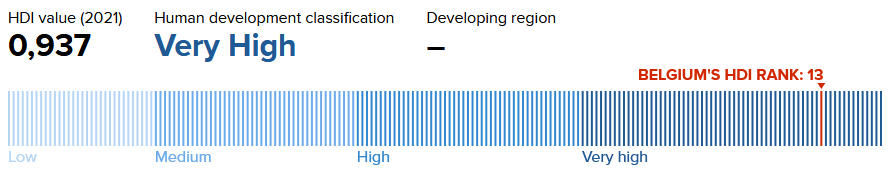
Belgium's HDI value for 2025 is 0.937 -which put the country in the Very High human development category- positioning it at 13 out of 191 countries and territories.
Economy Snapshot
| GDP world ranking | 23rd |
| GDP per capita | $63,572 |
| Inflation | 1.1% |
Key Facts
| Capital | Brussels |
| Population | 11,7 million |
| National Language(s) | Dutch, French and German |
| Currency | Euro (€) |
| Surface | 30,528 km2 |

Major Cities
| Brussels* | 1,019,022 | |
| Antwerpen | 459,805 | |
| Gent | 231,493 | |
| Charleroi | 200,132 | |
| Liege | 182,597 | |
| Anderlecht | 160,553 | *capital |
Source: Careernomics.com analysis based on its own data and the most reliable sources
ALSO FREE TO SEE, no account needed: the Shell Graduate Programme, the ByteDance Profile, the Consumer Products industry guide, the sample jobs and internships.
Two minutes to register
Then look up any employer, any function, any city. If your school is a member, you get everything.
Register free